Minembwe and Itombwe: Two Decades of Continued Crisis
From 2017 onwards, fighting erupted throughout Fizi, Itombwe and Uvira Hauts Plateaux of South Kivu. Violence killed thousands of civilians, homes and villages were destroyed, and it displaced hundreds of thousands. Schools and health centres were demolished or had to shut their doors; hundreds of thousands of cattle were looted as regional countries are fighting to gain much geopolitical influence on the shoulders of civilians. For anyone following the news today, it can look like a sudden eruption of violence. Not at all. The Hauts Plateau has been a hotspot of violence for more than twenty years now. A 2002 dispatch from the UN’s Integrated Regional Information Network (IRIN), republished by ReliefWeb, is a good reminder of just how long this has been unfolding and why countries are still fighting to control Minembwe.
Kabarebe versus Masunzu: 2002 Humanitarian Crisis
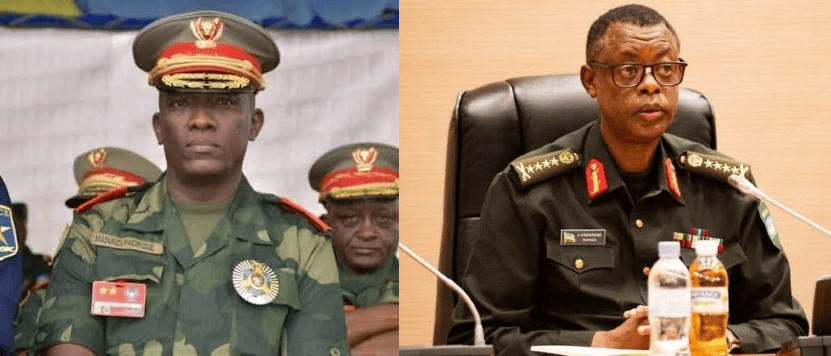
On 2 July 2002, the IRIN report documented a rapidly worsening humanitarian emergency on the Minembwe/Itombwe Plateau. Fighting had broken out between Rwandan army troops and dissident Banyamulenge forces under Commandant Patrick Masunzu — a split within Banyamulenge ranks itself, not a simple two-sided ethnic war. One humanitarian worker at the time called the plateau “one of the hottest spots in the Congo.”
A worsening humanitarian crisis unfolded in the south of South Kivu Province, Democratic Republic of the Congo, as fighting rages between mainly Rwandan army troops and the dissident Banyamulenge forces of Commandant Patrick Masunzu, humanitarian sources told IRIN on Tuesday. “It is one of the hottest spots in the Congo,” a humanitarian worker said.
Villages deserted & Banyamulenge Harrased
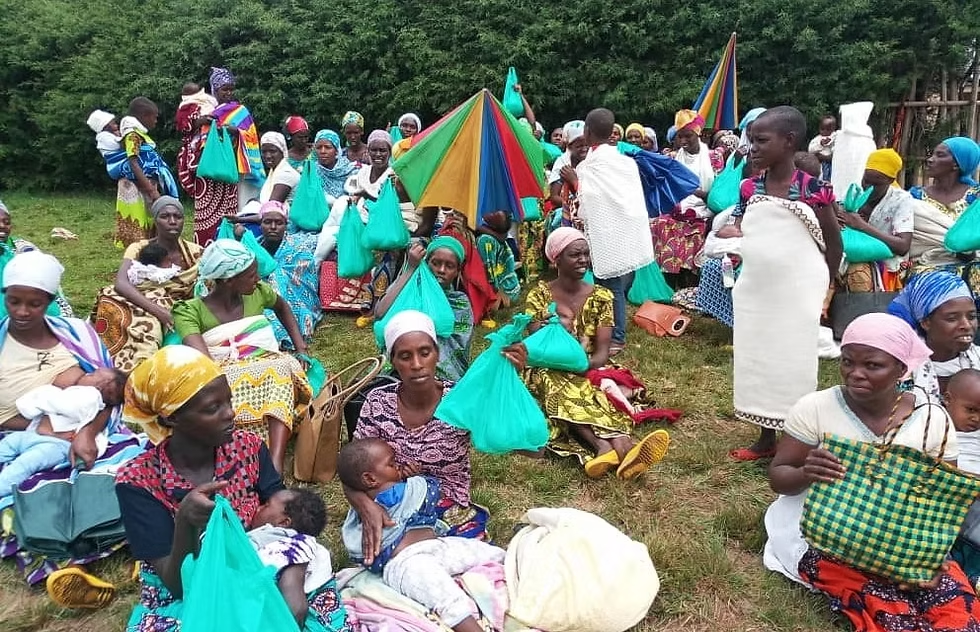
Up to 100 villages have been deserted and some 40,000 people have been displaced on the Minembwe/Itombwe Plateau. Some have fled either into regroupment areas or into the mountain peaks and forests. “The fighting has apparently intensified over the past week with the use of aerial bombardment,” the source said.
“Large numbers” of the displaced were facing the cold season on the plateau, the source added, without shelter, blankets or warm clothing. The fighting has prevented the Banyamulenge – mainly Congolese Tutsi pastoralists – from grazing their cattle over extensive areas. Food needs were becoming critical, other humanitarian sources said, because the latest harvest had been massively depleted by the food requirements of the combatants.
The Banyamulenge were also being harassed and having their movements restricted in the eastern towns of Uvira and Bukavu, one of the sources said. “This follows changes in the [rebel] RCD [Rassemblement congolais pour la democratie] administrative authorities, in which Banyamulenge have been removed from senior positions.”
Investigating Humanitarian Crisis
A humanitarian body has called on the international community to investigate these situations. “The UN and EU should negotiate arrangements for a humanitarian needs assessment on the plateau of Minembwe with the RCD and Rwandan authorities,” the humanitarian source said. “There should be a human rights investigation into the reports of harassment and restriction in Uvira and Bukavu. At the same time, the Burundian government and UNHCR [United Nations High Commissioner for Refugees] should be asked to rethink the move of the Banyamulenge refugees in Burundi.”
In Burundi, the government has ordered the Banyamulenge into relocation camps in the northeastern province of Muyinga. However, the refugees are resisting the move, saying they will become targets for hostile Hutu forces in the new camp, which is close to the borders of Rwanda and Tanzania. They had expressed fear of possible arrest and deportation to Rwanda, which, they said, was “at war” with them in the plateau region of South Kivu.
Conclusion
Minembwe’s 2026 catastrophe is not a new emergency. In one or another, the 2002 conflicts and geopolitical rivarlies fed the current situation that erupted in 2017. If underlying drivers are not properly addressed and remain unresolved, violence will certainly re-emerge.
Disclaimer
[This Item [DRC: Humanitarian crisis on Minembwe/Itombwe Plateau] was delivered to the English Service of the UN’s IRIN humanitarian information unit, but may not necessarily reflect the views of the United Nations. For further information, free subscriptions, or to change your keywords, contact e-mail: Irin@ocha.unon.org or Web: http://www.irinnews.org . If you re-print, copy, archive or re-post this item, please retain this credit and disclaimer. Reposting by commercial sites requires written IRIN permission.]
Copyright (c) UN Office for the Coordination of Humanitarian Affairs 2002
Well done